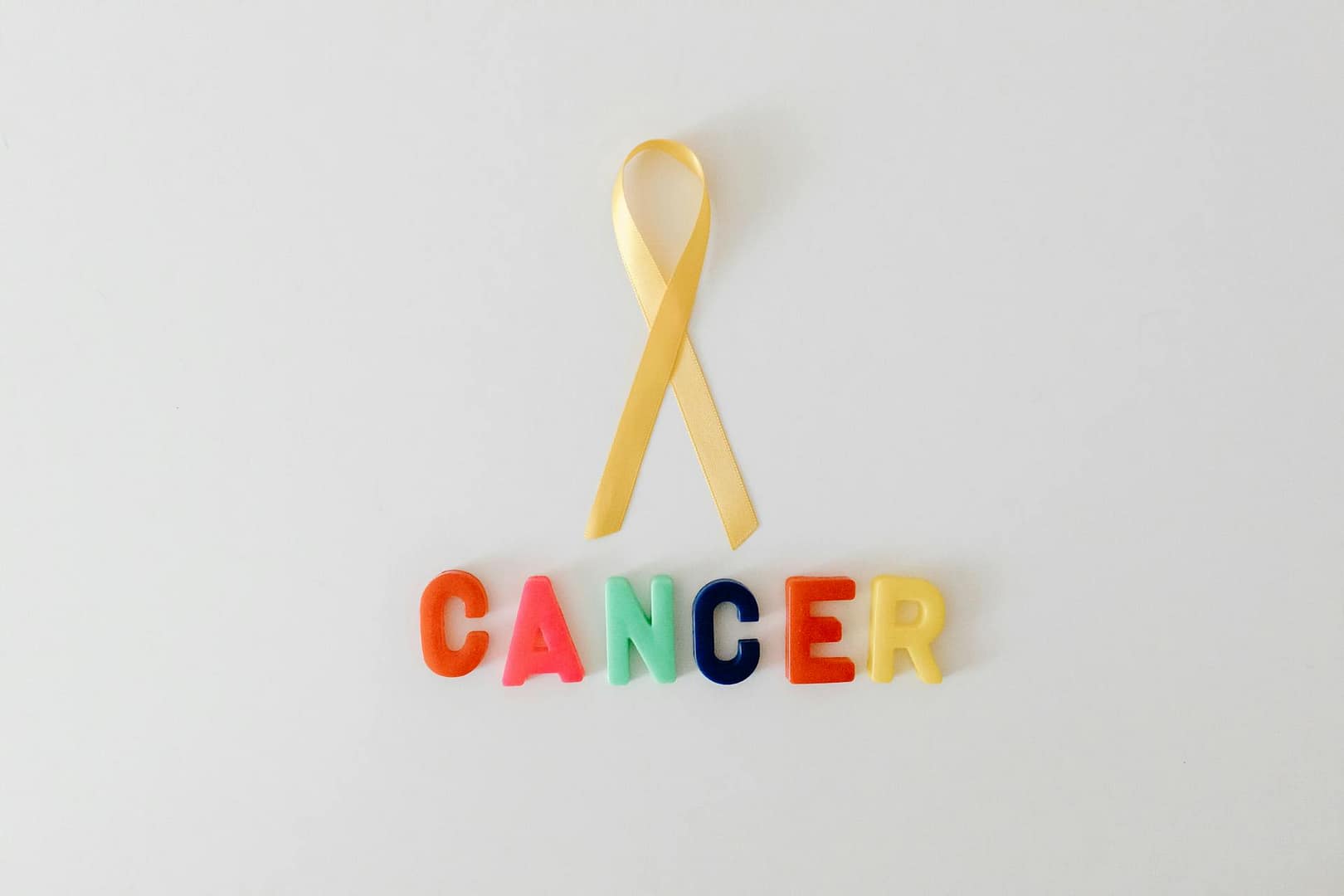
How Modern Science Is Changing the Fight Against Cancer
Cancer has long been one of the most challenging diseases for doctors and researchers to treat. For decades, the primary approaches to fighting cancer included surgery, chemotherapy, and radiation therapy. While these treatments have saved countless lives, they often come with difficult side effects and don’t always work for every patient. Today, however, modern science is opening new doors in the fight against cancer. Advances in genetics, biotechnology, and data analysis are helping researchers better understand how cancer develops and spreads. As a result, treatments are becoming more targeted, more personalized, and in many cases, more effective than ever before.
Understanding Cancer at the Genetic Level
One of the biggest breakthroughs in cancer research has been the ability to study the genetic makeup of tumors. Scientists now know that cancer is largely driven by mutations in DNA that cause cells to grow uncontrollably. By analyzing these mutations, researchers can identify the specific genes involved in a patient’s cancer. This deeper understanding helps doctors choose treatments that target those particular genetic changes. Instead of treating cancer as a single disease, medicine is now recognizing that different cancers—and even different cases of the same cancer—can behave in unique ways.
The Rise of Precision Medicine

Precision medicine is transforming cancer treatment by tailoring therapies to each patient’s unique biology. Rather than using a one-size-fits-all approach, doctors analyze genetic information from both the patient and the tumor to determine the most effective treatment plan. This personalized strategy allows for more targeted therapies that focus on cancer cells while sparing healthy tissue. In many cases, precision medicine can reduce side effects and improve treatment outcomes. As genetic testing becomes more accessible, this approach is expected to become even more common in the future.
Immunotherapy: Harnessing the Body’s Defense System
Another groundbreaking development in cancer treatment is immunotherapy. Instead of directly attacking cancer cells with drugs or radiation, immunotherapy works by strengthening the body’s own immune system so it can recognize and destroy cancer. Some immunotherapy treatments help immune cells detect cancer more easily, while others remove the “brakes” that prevent immune responses. This approach has shown remarkable success for certain cancers, including melanoma and some types of lung cancer, offering new hope to patients who previously had limited treatment options.
Advances in Early Detection
Early detection is one of the most powerful tools in the fight against cancer. The earlier cancer is found, the greater the chances of successful treatment. Modern science is developing new screening techniques that can detect cancer at much earlier stages. Liquid biopsies, for example, analyze tiny fragments of tumor DNA circulating in the bloodstream. This non-invasive test may allow doctors to identify cancer before symptoms appear. Improved imaging technologies are also helping physicians spot tumors with greater accuracy and detail.
Targeted Therapies and Smart Drugs
Traditional chemotherapy attacks rapidly dividing cells, which is why it often affects healthy cells along with cancer cells. Targeted therapies, however, are designed to focus specifically on the molecules that drive cancer growth. These “smart drugs” interfere with the signals that cancer cells use to grow and spread. Because they are more precise, targeted therapies often produce fewer side effects compared to traditional chemotherapy. Researchers continue to develop new drugs that target different pathways involved in cancer progression.
Artificial Intelligence in Cancer Research
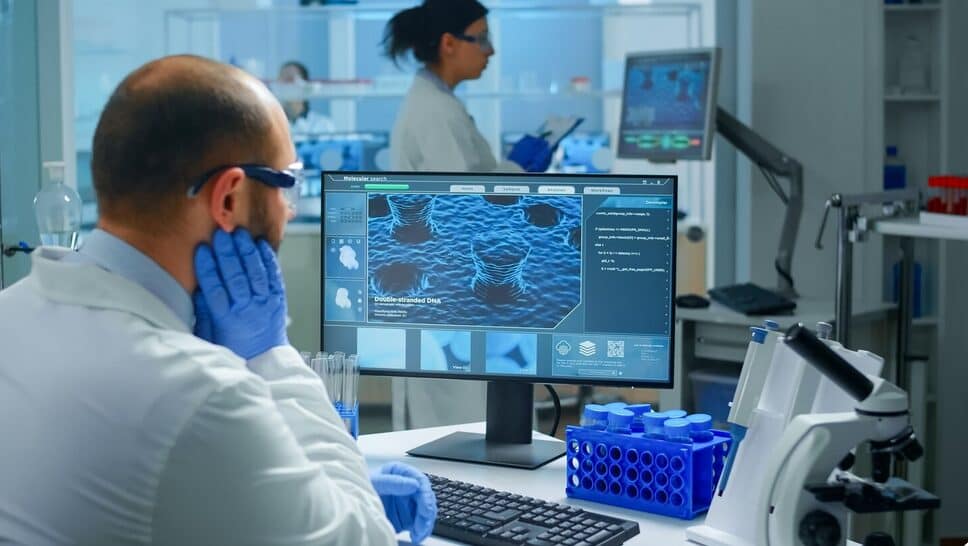
Artificial intelligence (AI) is playing an increasingly important role in cancer research and treatment. AI systems can analyze massive amounts of medical data, helping scientists identify patterns that would be difficult for humans to detect. For example, AI can assist doctors in interpreting medical images, predicting how tumors might respond to certain treatments, or discovering new drug candidates. By speeding up research and improving diagnostic accuracy, AI has the potential to accelerate progress in cancer care.
The Role of Lifestyle and Prevention
While scientific breakthroughs are improving treatments, prevention remains a crucial part of reducing cancer risk. Research continues to highlight the role of lifestyle factors such as diet, physical activity, tobacco use, and sun exposure. Public health campaigns and medical research are working together to educate people about ways to lower their cancer risk. Vaccines, such as those that prevent certain virus-related cancers, are also becoming an important part of prevention strategies.
Modern science is rapidly transforming the fight against cancer. With advances in genetics, precision medicine, immunotherapy, and artificial intelligence, researchers are gaining powerful new tools to understand and treat the disease more effectively.…

 Beverages can have as many calories, if not more, than solid food. If you are fond of beverages, you should not drink those with high sugar content. Drinking juices does not necessarily mean that you have a healthier diet.
 Just because you go to the gym regularly does not mean that you can eat whatever you want. Many people believe that if you work out constantly, you can eat more and still stay in shape.

 The enclosed growth tent is one of the excellent basic solutions to grow good cannabis. You want something to keep the light contained to the same hours that you set on your timer. You need to plan for environmental control that includes temperature and humidity. The cannabis plant must regulate the swings. Do not let your temperature swing more than fifteen degrees Fahrenheit between day and night. The dark period should not be lower than sixty degrees Fahrenheit. Cannabis does not like to get too hot or too cold. High temperatures can cause stretching, and low temperatures can cause all sorts of other ailments.




 You must have used to relax your muscles after working out, and chance are that you felt better. Well, massage is a treatment method for a myriad of pains, and it has been in use for many centuries. It involves manipulating the soft tissues, impacting the circulation, nervous and lymphatic systems, and the muscles. Besides, many clinical studies have shown that massage is an effective treatment for pain management, and more so, it works well for chronic lower back pain.
 While in the past, people had to be admitted to a treatment center today, this can be done from your home’s comfort. You must not leave your home to get treatment. Once you enroll in the home-based treatment and care, healthcare professionals will be available when you need them. These well-trained professionals will ensure that you complete your program with minimal fuss.
 In this time of the COVID-19 pandemic, interacting with many people can expose you to risks, especially if you are an older adult. Evidence suggests that older adults or people with an underlying medical condition are more like to succumb to this virus if they contract it.


 Wear Perfume

 Do Your Research
 You have so many dentists to choose from, and it is important for you to choose the dentist that will give you the best dental care. Experienced dentists can provide quality services because they know more dental issues. Experience can be identified by looking at the duration the dentist has been working.
 The best option that you can make is visiting the dental board in your state, and you will be able to find the best recommendation to the best dentist. You will be able to track down the history of a particular dentist and find out if he or she is the best dentist. Make sure that the dentist you intend to choose does not have any suspicious claims.