
Cancer has long been one of the most challenging diseases for doctors and researchers to treat. For decades, the primary approaches to fighting cancer included surgery, chemotherapy, and radiation therapy. While these treatments have saved countless lives, they often come with difficult side effects and don’t always work for every patient. Today, however, modern science is opening new doors in the fight against cancer. Advances in genetics, biotechnology, and data analysis are helping researchers better understand how cancer develops and spreads. As a result, treatments are becoming more targeted, more personalized, and in many cases, more effective than ever before.
Understanding Cancer at the Genetic Level
One of the biggest breakthroughs in cancer research has been the ability to study the genetic makeup of tumors. Scientists now know that cancer is largely driven by mutations in DNA that cause cells to grow uncontrollably. By analyzing these mutations, researchers can identify the specific genes involved in a patient’s cancer. This deeper understanding helps doctors choose treatments that target those particular genetic changes. Instead of treating cancer as a single disease, medicine is now recognizing that different cancers—and even different cases of the same cancer—can behave in unique ways.
The Rise of Precision Medicine

Precision medicine is transforming cancer treatment by tailoring therapies to each patient’s unique biology. Rather than using a one-size-fits-all approach, doctors analyze genetic information from both the patient and the tumor to determine the most effective treatment plan. This personalized strategy allows for more targeted therapies that focus on cancer cells while sparing healthy tissue. In many cases, precision medicine can reduce side effects and improve treatment outcomes. As genetic testing becomes more accessible, this approach is expected to become even more common in the future.
Immunotherapy: Harnessing the Body’s Defense System
Another groundbreaking development in cancer treatment is immunotherapy. Instead of directly attacking cancer cells with drugs or radiation, immunotherapy works by strengthening the body’s own immune system so it can recognize and destroy cancer. Some immunotherapy treatments help immune cells detect cancer more easily, while others remove the “brakes” that prevent immune responses. This approach has shown remarkable success for certain cancers, including melanoma and some types of lung cancer, offering new hope to patients who previously had limited treatment options.
Advances in Early Detection
Early detection is one of the most powerful tools in the fight against cancer. The earlier cancer is found, the greater the chances of successful treatment. Modern science is developing new screening techniques that can detect cancer at much earlier stages. Liquid biopsies, for example, analyze tiny fragments of tumor DNA circulating in the bloodstream. This non-invasive test may allow doctors to identify cancer before symptoms appear. Improved imaging technologies are also helping physicians spot tumors with greater accuracy and detail.
Targeted Therapies and Smart Drugs
Traditional chemotherapy attacks rapidly dividing cells, which is why it often affects healthy cells along with cancer cells. Targeted therapies, however, are designed to focus specifically on the molecules that drive cancer growth. These “smart drugs” interfere with the signals that cancer cells use to grow and spread. Because they are more precise, targeted therapies often produce fewer side effects compared to traditional chemotherapy. Researchers continue to develop new drugs that target different pathways involved in cancer progression.
Artificial Intelligence in Cancer Research
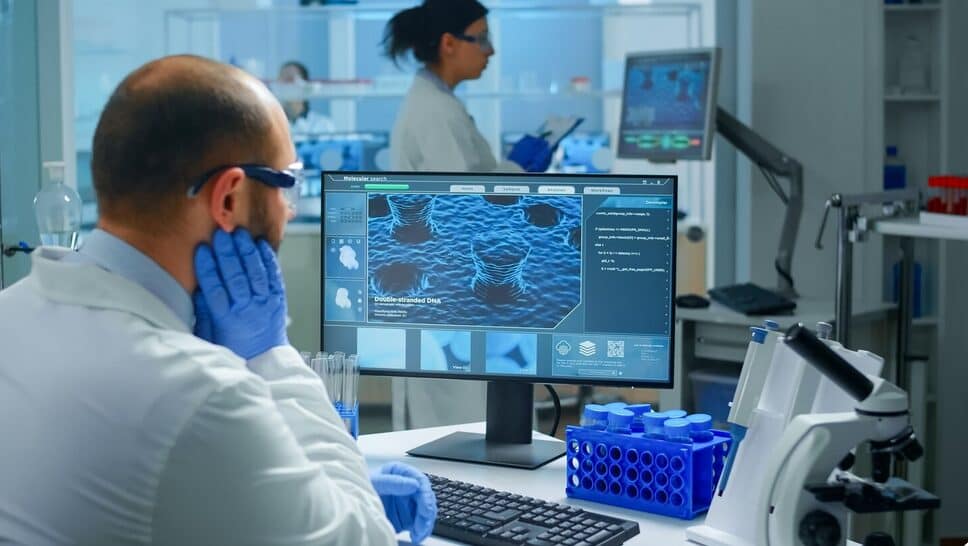
Artificial intelligence (AI) is playing an increasingly important role in cancer research and treatment. AI systems can analyze massive amounts of medical data, helping scientists identify patterns that would be difficult for humans to detect. For example, AI can assist doctors in interpreting medical images, predicting how tumors might respond to certain treatments, or discovering new drug candidates. By speeding up research and improving diagnostic accuracy, AI has the potential to accelerate progress in cancer care.
The Role of Lifestyle and Prevention
While scientific breakthroughs are improving treatments, prevention remains a crucial part of reducing cancer risk. Research continues to highlight the role of lifestyle factors such as diet, physical activity, tobacco use, and sun exposure. Public health campaigns and medical research are working together to educate people about ways to lower their cancer risk. Vaccines, such as those that prevent certain virus-related cancers, are also becoming an important part of prevention strategies.
Modern science is rapidly transforming the fight against cancer. With advances in genetics, precision medicine, immunotherapy, and artificial intelligence, researchers are gaining powerful new tools to understand and treat the disease more effectively.


